Hello! Click on one of our members below to chat on Whatsapp
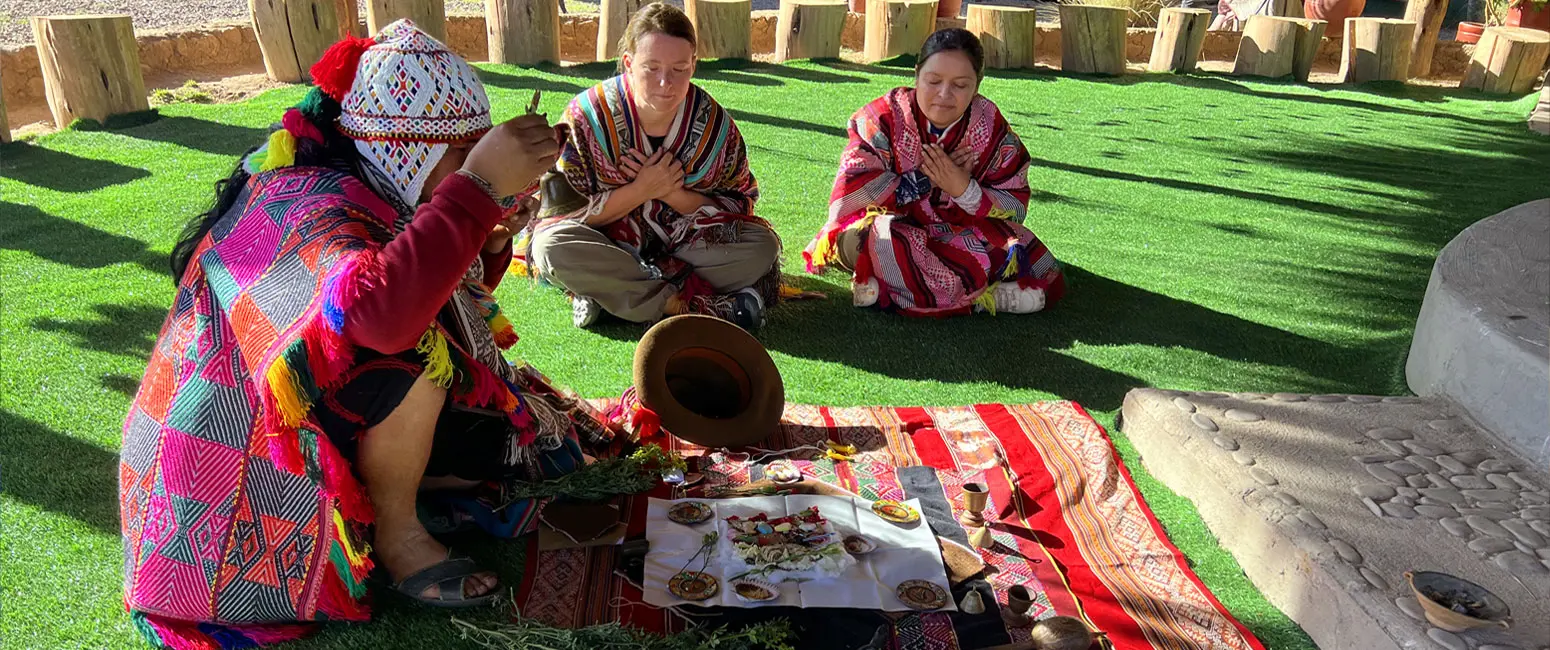
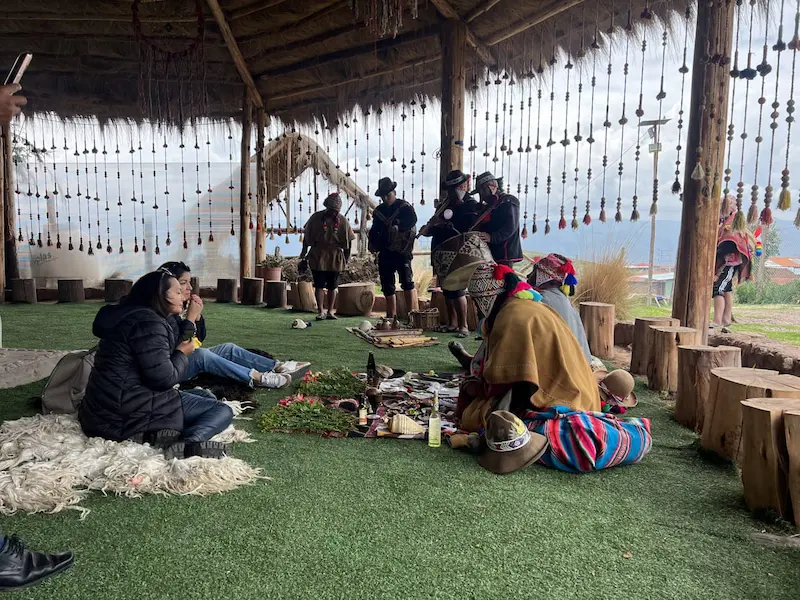
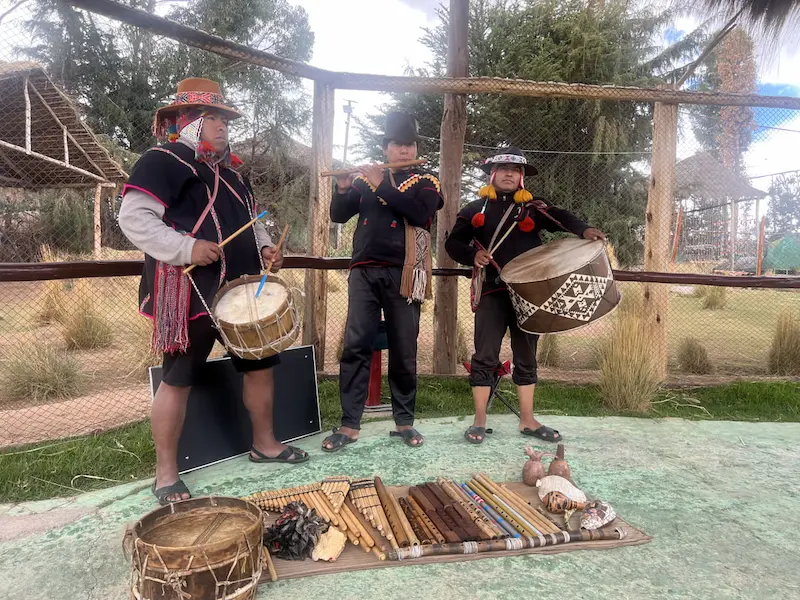
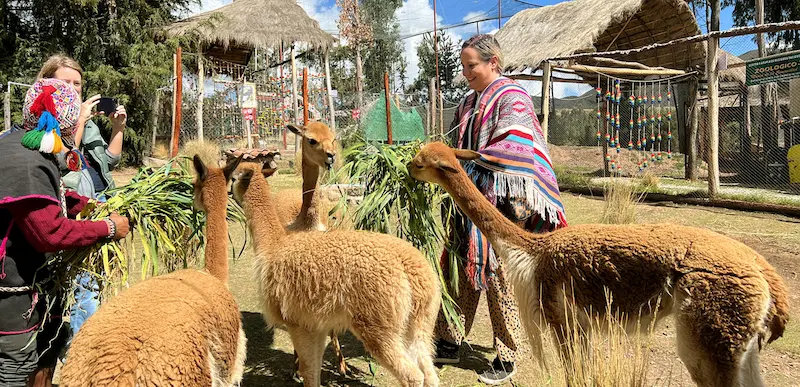
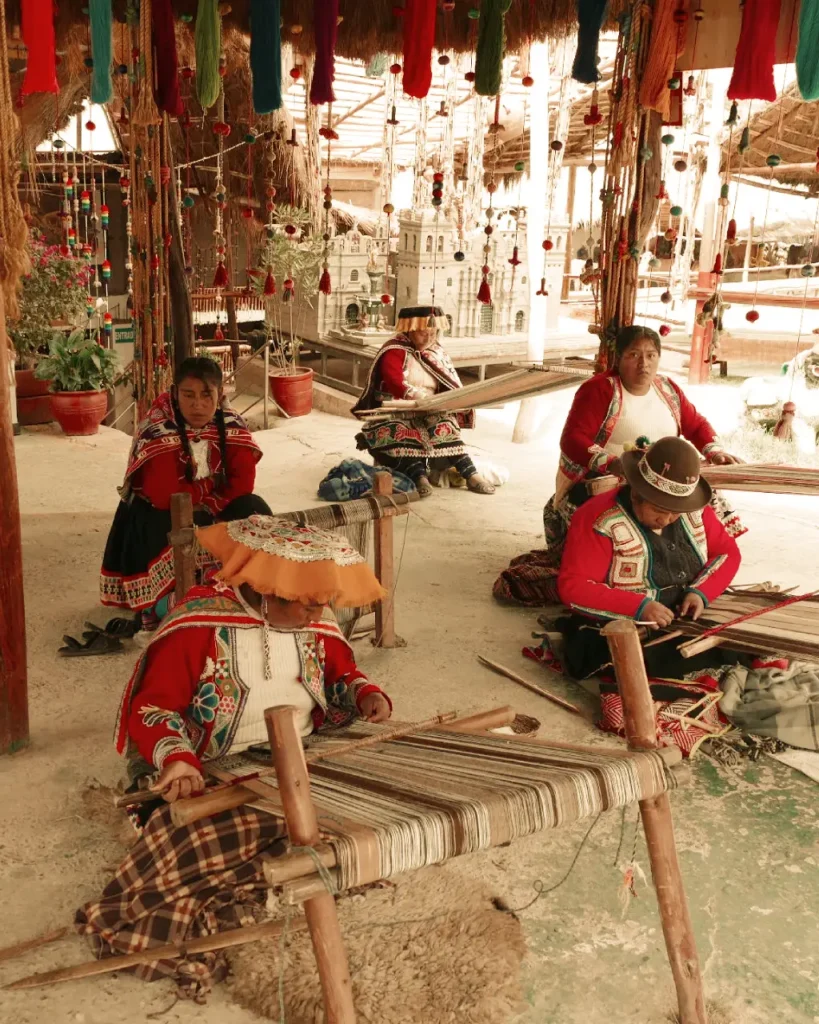
Get up close to alpacas, llamas, vicuñas, and guanacos while learning about their importance in Andean culture and traditional textile production.
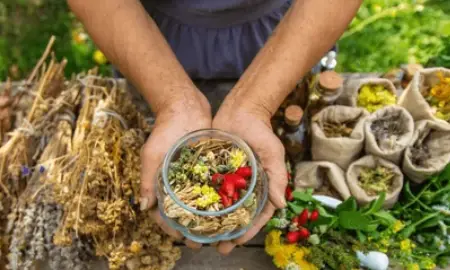
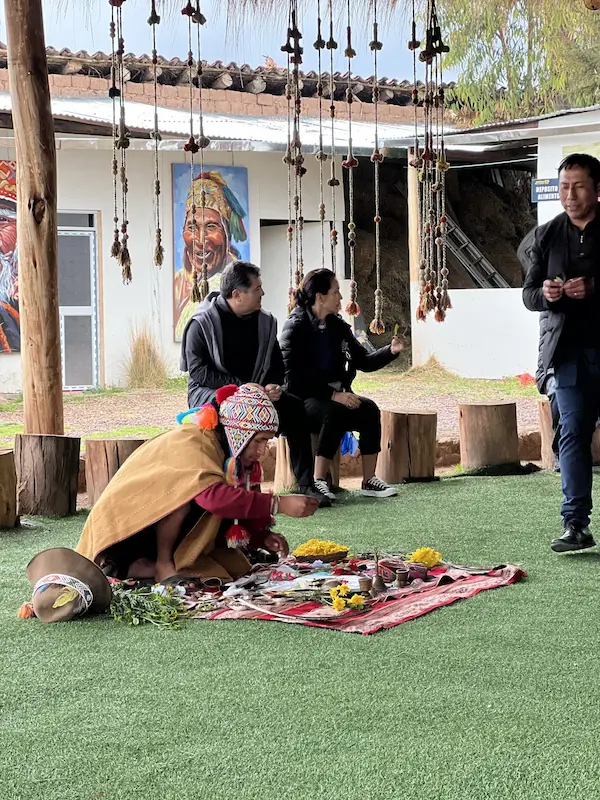
Participate in a traditional purification ceremony guided by local experts using Andean medicinal plants and ancient spiritual practices.
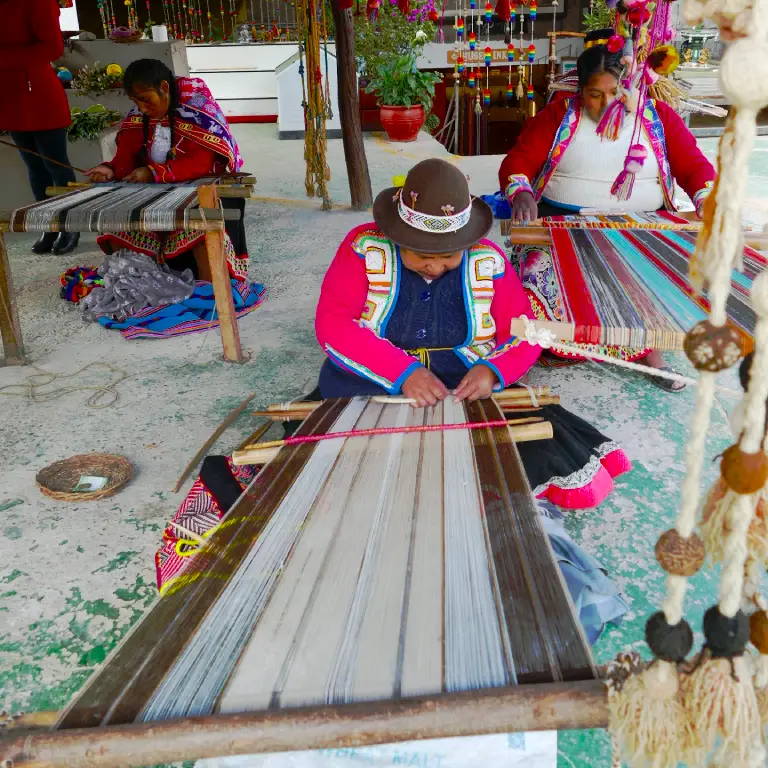
Capture unforgettable moments and gain deeper insight into the traditions, customs, and daily life of the Andean people.
The convent was built on the spectacular Koricancha (golden enclosure). This was the most important temple where the cult of the Sun was carried out and whose walls were covered with solid sheets of gold. Today we can see the fine masonry that remains, since the conquerors took the rest and destroyed most of the temple to build the convent on top. Koricancha was also an observatory where priests kept track of major celestial events. Today some of the original architecture has been restored and it also houses an impressive collection of canvases from the Cusco School of Art.
Sacsayhuamán, which means (satisfied falcon), is one of the most impressive sites built by the Incas. It is generally known as a military fortress. The stones on the wall are incredible, among which the largest weighs 128 tons. Until now, it has not been discovered. It has a clear explanation of how they were transported to the place. The Incas designed Cusco in the shape of a puma with Sacsayhuamán as the head that is still used today for the most important festival in Cusco, which is the Inti Raymi that is celebrated every June 24.
Q’enqo which means (labyrinth) in Quechua contains very impressive hand-carved sections of rocks, although some are already almost blurred, as different animals carved on it have been identified, as well as. the llama, condor and snakes. There are many zigzag channels on the top of the rock, they were probably used to pour chicha in sacrificial ceremonies. (a local fermented drink made from corn) Under the rock there are several caves and passages, which in turn lead us to an altar that was used for llama sacrifices. Archaeologists have discovered mummifications of people buried in these caves.
Also called Puka Pukara (the red fortress) in Quechua. This is a small site and although the name indicates that it was a fortress, it appears to have had no defensive purpose. Since archeologists theorize that it could have been used to protect the Tambomachay water source.
The name means (resting place) in Quechua. It was the royal house of Inca Yupanqui when he went hunting in the surrounding area. This site was also thought to have been used as a Water Temple. There are some interesting aqueducts, canals and waterfalls carved in stone, designed to channel water flowing from a nearby stream.
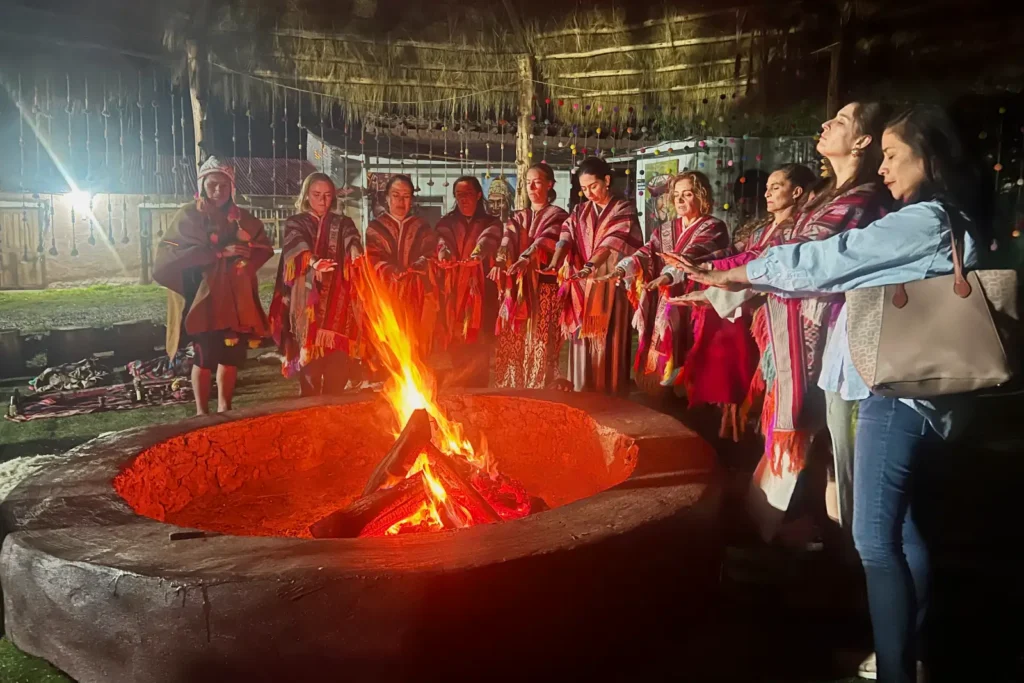
The ceremony of cleaning and bathing with flowers is part of the healing process. This energy comes from the communication our shaman maintains with the main apus, represented by sacred mountains. They invoke the energy to heal, both physically and spiritually.
Our shaman will do a deep cleaning with traditional herbs such as rue, rosemary and broom, these 3 plants will help us expel negative energies, finally we will make an Andean offering in order to improve our lives and ask that everything goes well for us.
The price may vary depending on the number of passengers